Scouts
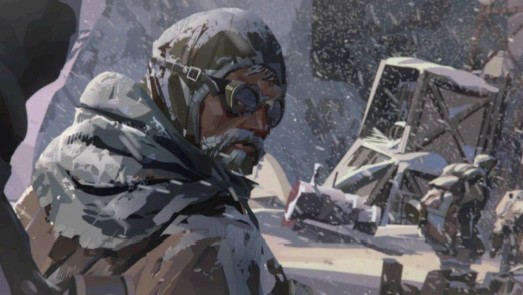
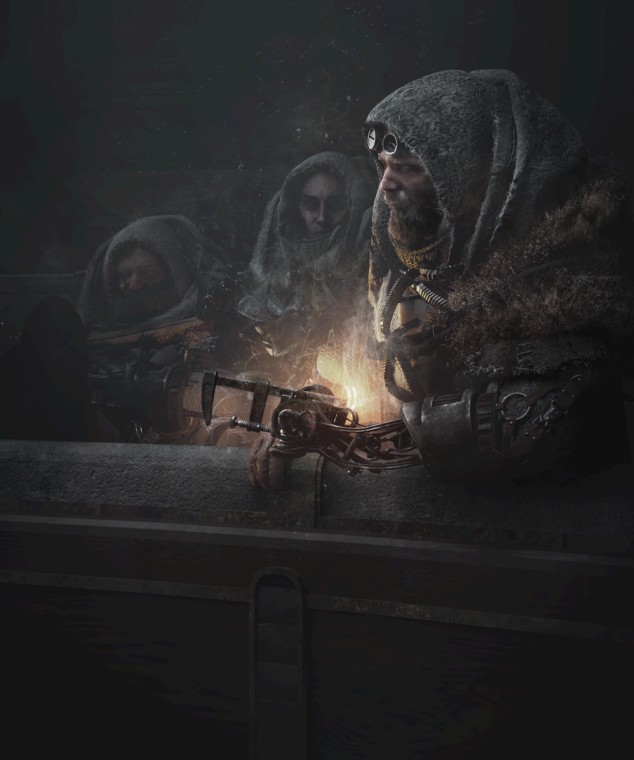
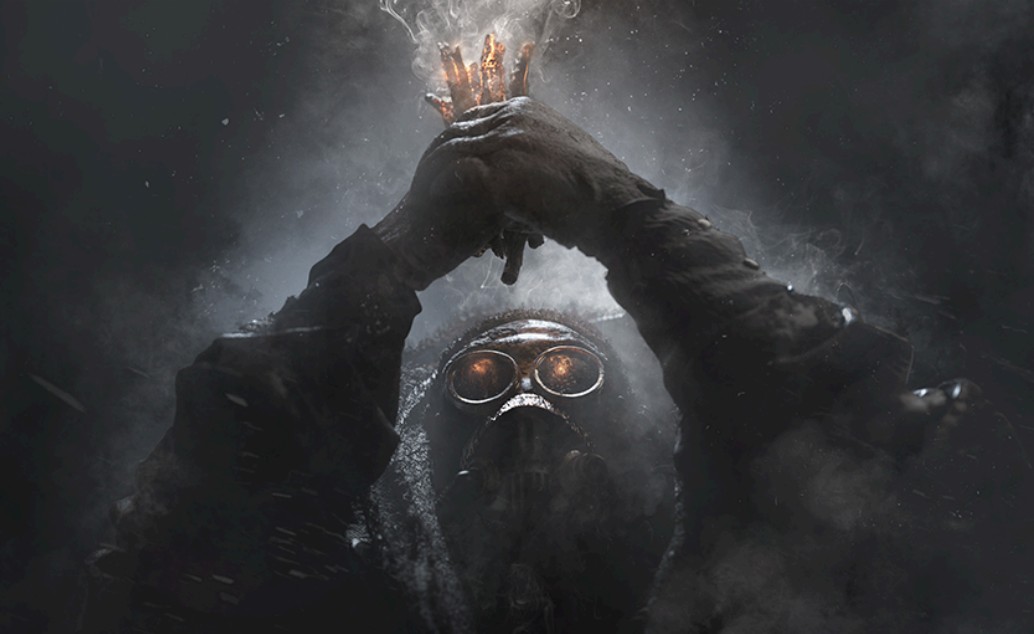
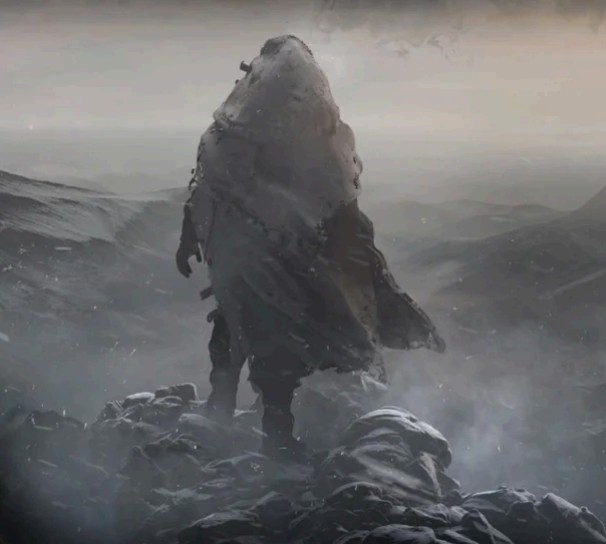
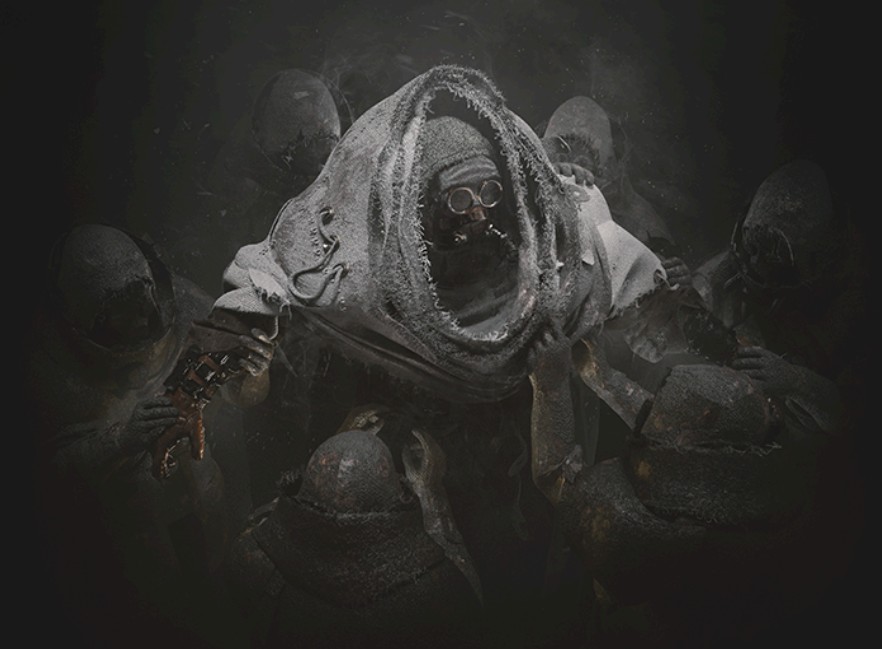
Scouts are the brave explorers who venture beyond the safety of the city into the frozen wilderness. Driven by necessity and resilience, they search the desolate landscape for vital resources, survivors, and knowledge that could aid in humanity’s survival. Often isolated and exposed to immense danger, Scouts embody the spirit of discovery and sacrifice, pushing the boundaries of the known world in a desperate bid to secure a future for those left behind.
ACTIONS
Scout teams have only one action, Expedition:
Scouts will be given a map of the Frostlands—the vast, frozen world beyond the city’s borders. Scattered across this landscape are various Locations of Interest, each containing valuable resources. To gather these resources, Scouts must make choices that carry different levels of risk: low, medium, or high. While higher-risk options offer greater rewards, they also come with increased danger, making each decision a calculated gamble.
As Scouts push further into the Frostlands, they will uncover new and unexplored Locations of Interest. The farther they travel from the city, the greater the potential rewards. However, with these greater rewards come significantly increased risks, as the price of failure becomes far more lethal the deeper they go.
Special Rules
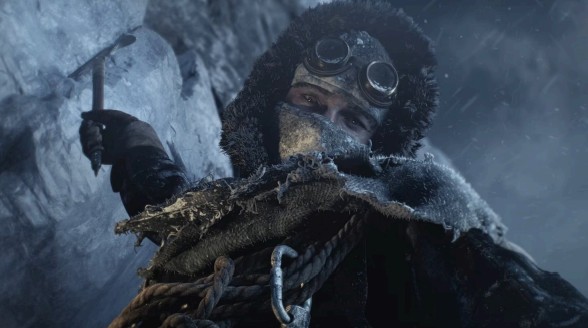
As part of their wilderness survival gear, Scouts carry hunting knives, ice axes, and hatchets. While these tools are designed for survival rather than combat, they are highly lethal in close quarters. Unlike firearms, they offer the advantage of silence—especially when used against an unsuspecting citizen.
As the Scouts often risk becoming ill or gravely ill not just at home, but out in the wilderness, a steady source of warm tokens (or a low allocation of cold tokens) can be absolutely vital to their survival. It is not unheard of that with a lethal combination of bad luck and poor care, a perfectly healthy team of Scouts could drop dead.
Costuming Advice
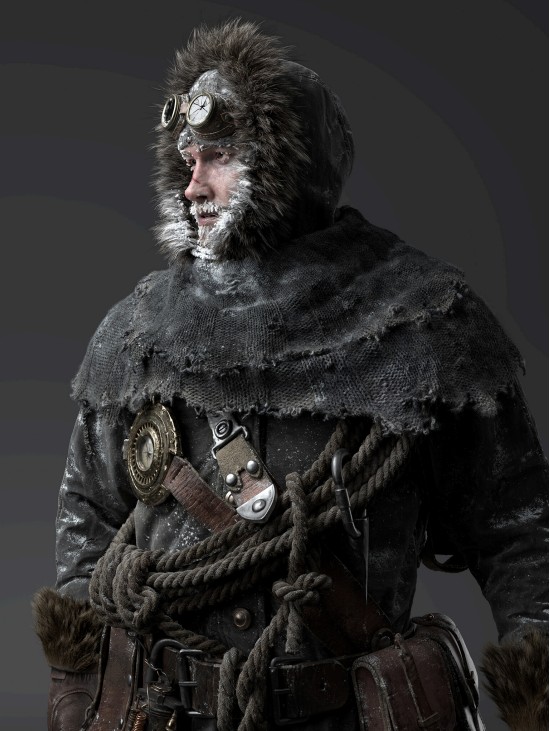
The city must survive, but to do so it needs brave, hardy souls to venture out from the warm safety of the city into the freezing cold of the frostlands to scavenge resources from the corpse of the British Empire. These are the hardened frontiersmen, and they carry nothing on them that does not serve a purpose. Sentimentality is nothing more than dead weight.
Key features:
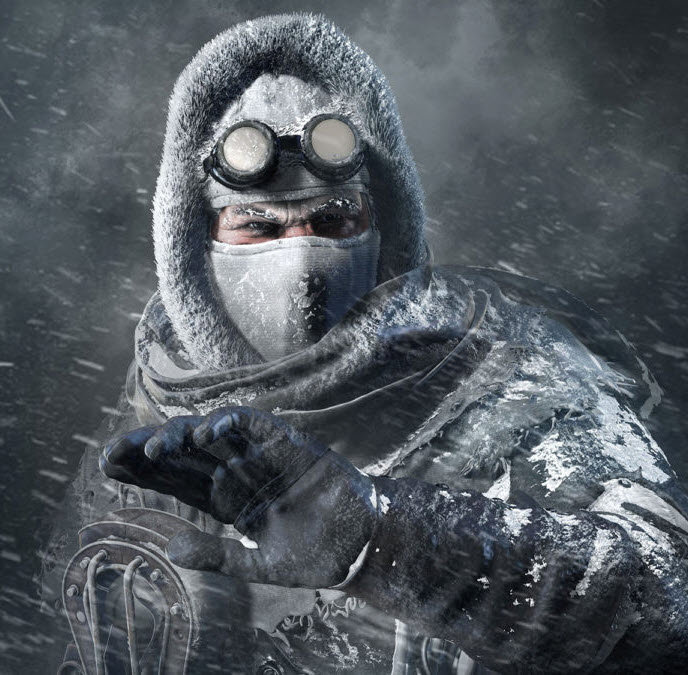
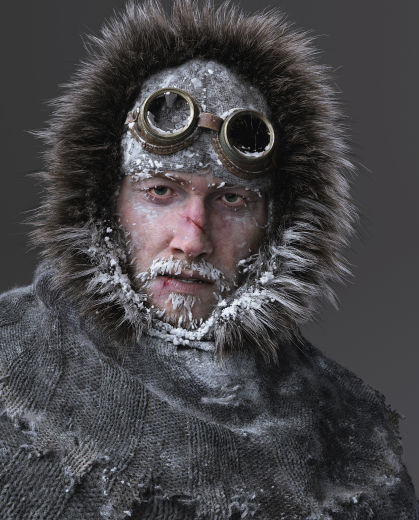
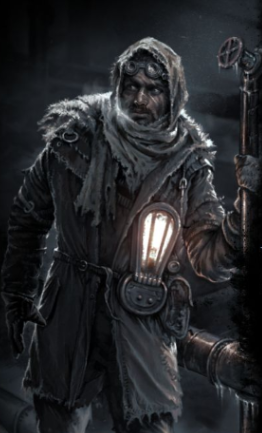
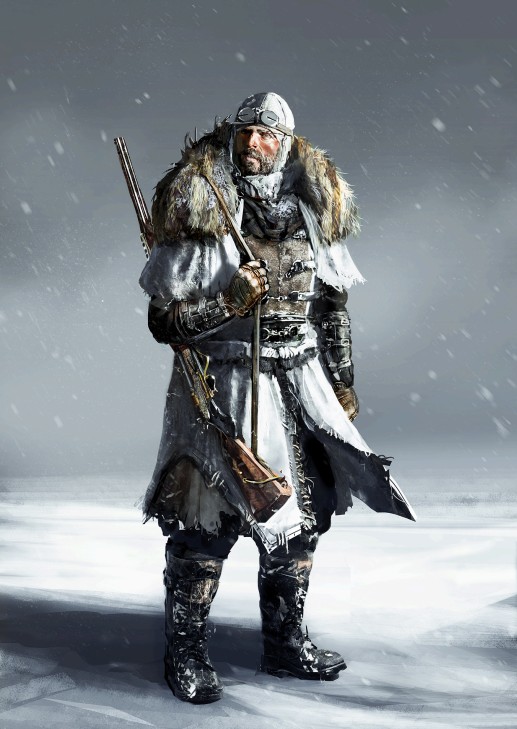
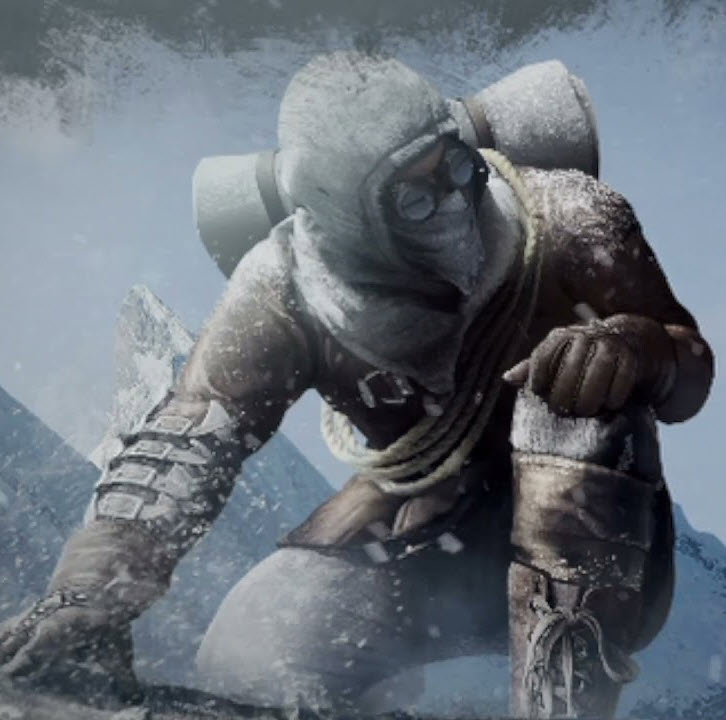
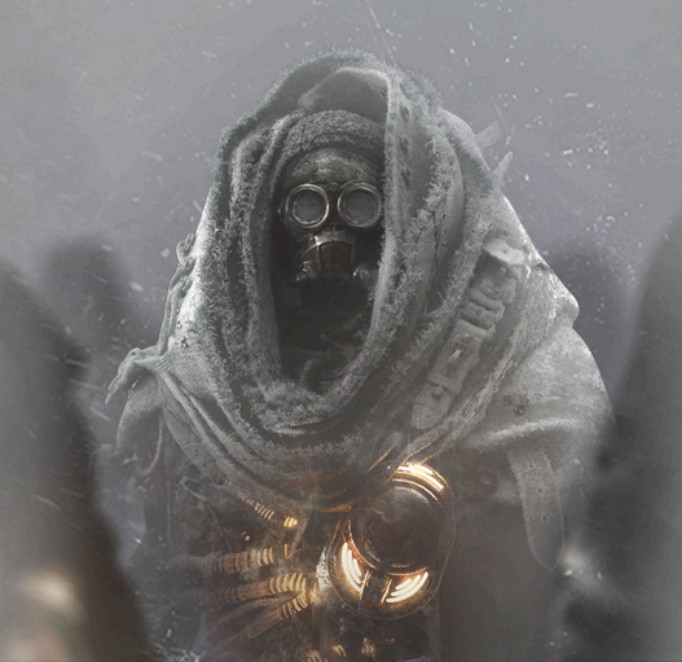
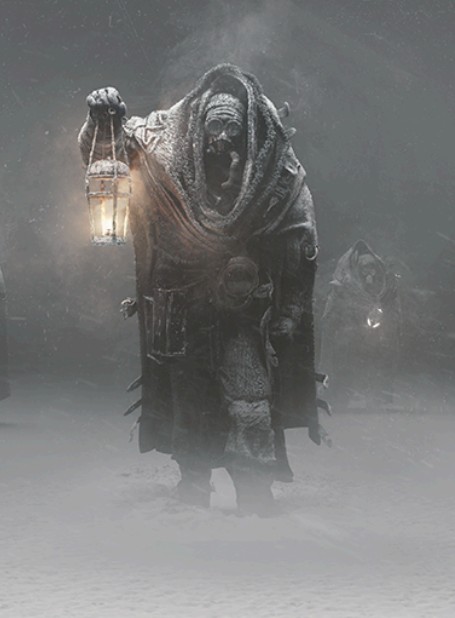
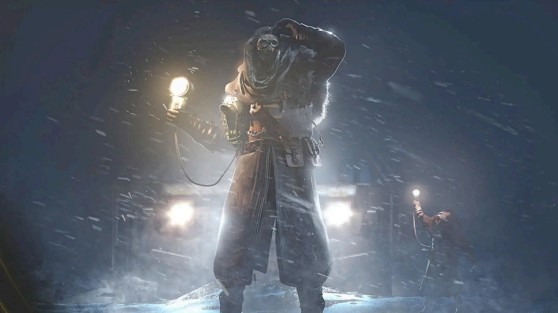
- Scout clothing is practical, easy to move in and not overly bulky. Short to mid-length hooded coats or parkas with fur or shearling trim would be especially appropriate. Alternative Scout styles could focus on a more top heavy approach with lots of layering. Scarves, neck gaiters, or balaclavas should be thick and wrapped multiple times.
- Outfits can be made up of earthy tones, browns, greys and muted tans, with Dark blues and blacks as acceptable though less common. Brighter white may be appropriate but such clothes should be in a less than pristine condition; the look is weathered and camouflaged.
- Accessories should reflect the Scout’s role: packs and pouches will be common as well as elements of their wilderness kit: add ropes, carabiners, or small scavenged tech to belts or harnesses. Small animal bones, feathers or trinkets taken as trophies or personal charms can also bring personality to the character.
- Most of a Scout’s time is spent in the Frostlands, and most only spend a limited time in the city. Skin will be pale and windburned with red or blue tinges from cold exposure. Dirt and grime will smudge their face and hands. Hair will be tied back or tucked under hats - messy or unkempt but functional. Optional light scars and scratches can be added to showcase a Scout’s tough endurance.